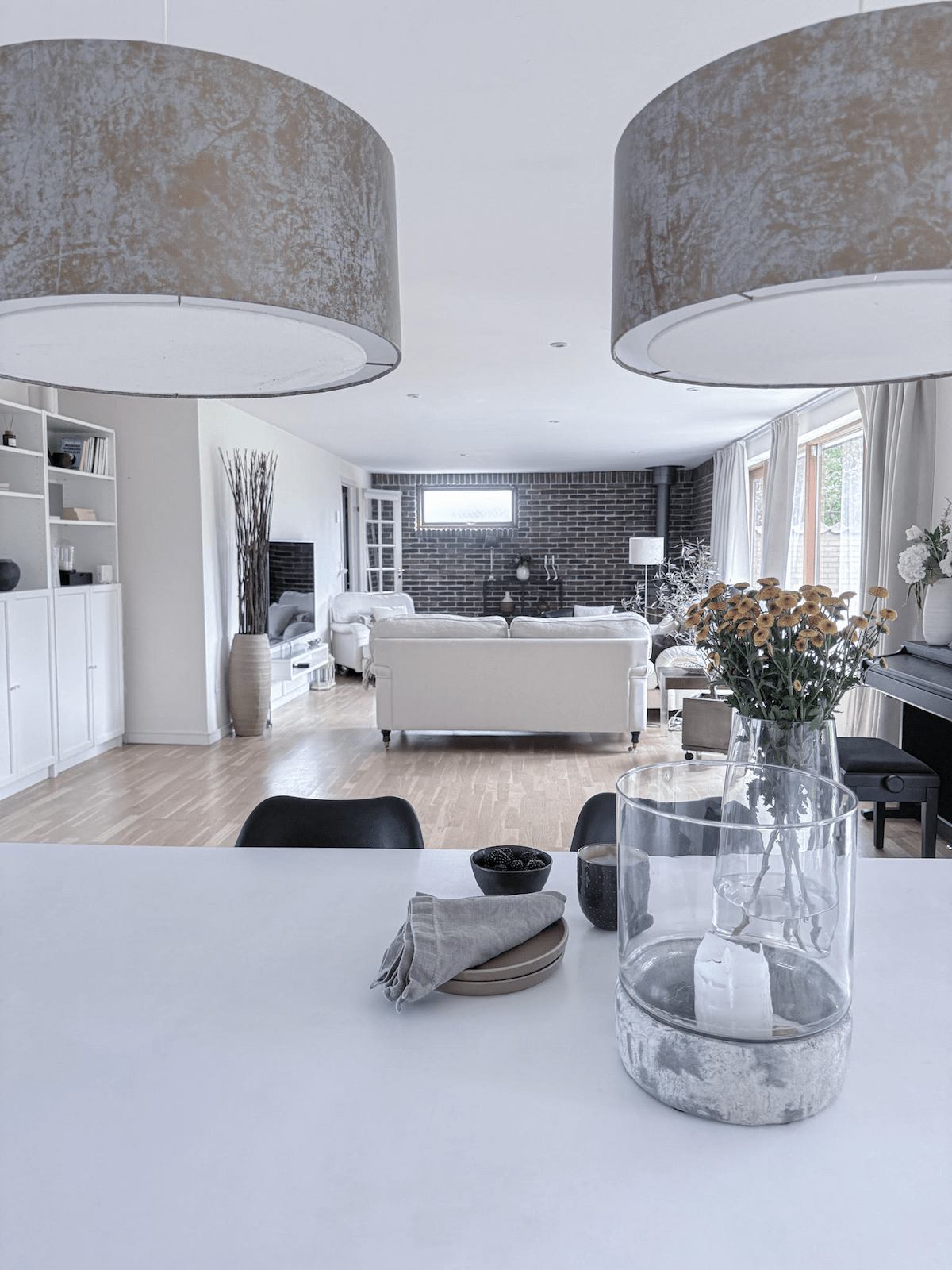
Why your home doesn’t feel cozy — and the 3 Scandinavian fixes that actually work
This post contains affiliate links from Nordic Nest. If you buy through my links I earn a small commission at no extra cost to you. I only recommend products I genuinely love. 🤍
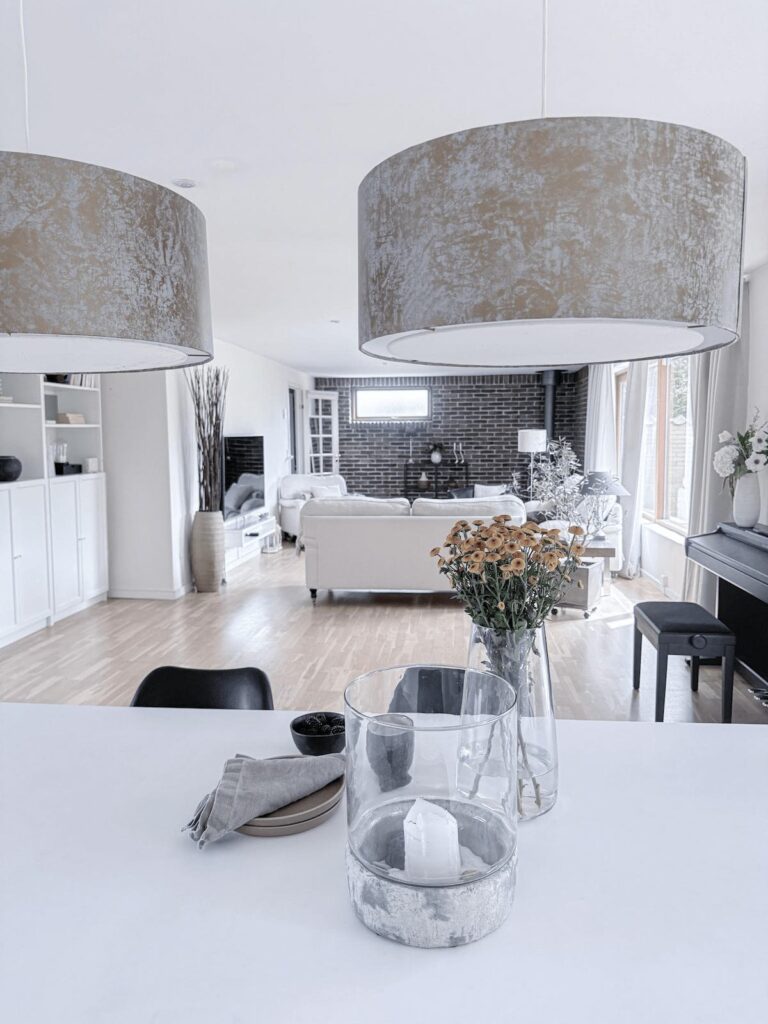
It’s not your taste. It’s not your budget. It’s three very specific things.
There’s a particular feeling that Scandinavian homes do so well — that sense of walking through the door and exhaling. Where the light feels soft, the room feels held, and everything just settles.
I’ve been chasing that feeling my whole life, actually. Even as a young girl, I was constantly rearranging my bedroom — decorating, redecorating, searching for something I couldn’t quite name. It wasn’t until I moved to Denmark and discovered the Scandinavian way of living that I finally understood what I had been looking for all along.
And if your home doesn’t quite feel the way you want it to — cozy, calm, like somewhere you truly want to stay — I think you might be searching for the same thing. The good news? It comes down to three very simple fixes.
Fix 01
Why your home doesn’t feel cozy?
Too much visual noise
The first reason your home doesn’t feel cozy has nothing to do with what you need to buy — it’s about what you might need to let go of.
In Scandinavian design, there’s a deep belief that a calm space creates a calm mind. Not empty — calm. There’s a difference. It’s not about having less because minimalism is trendy. It’s about making sure that every object in your room has a reason to be there — something you love, something you use, something that means something to you.
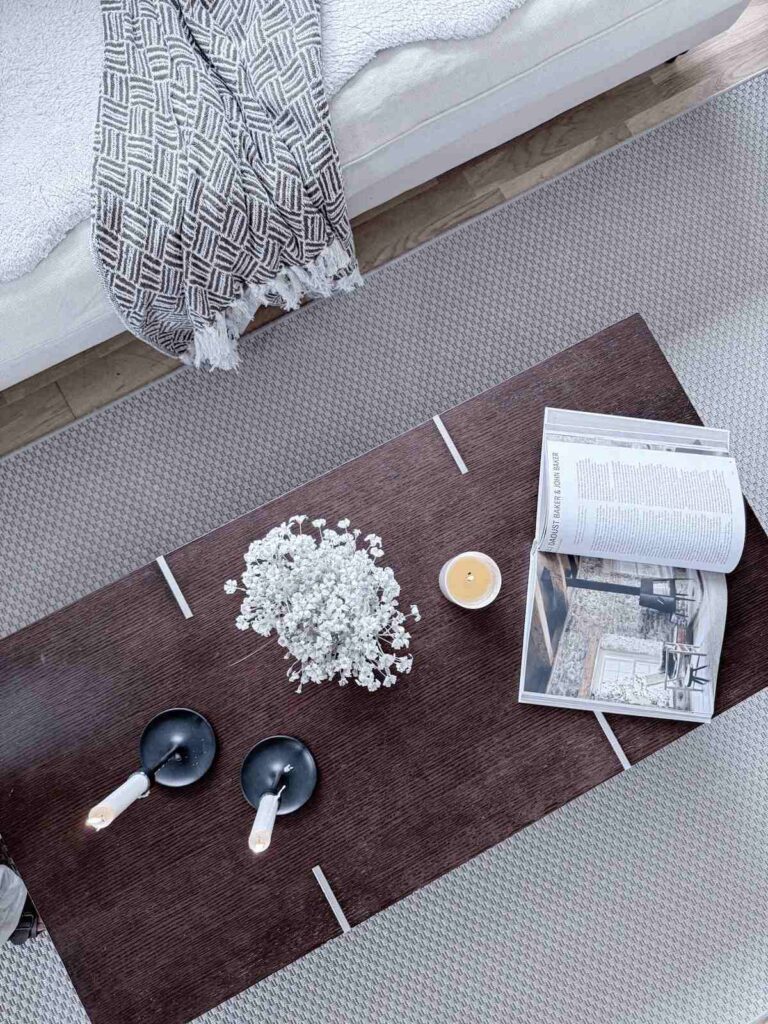
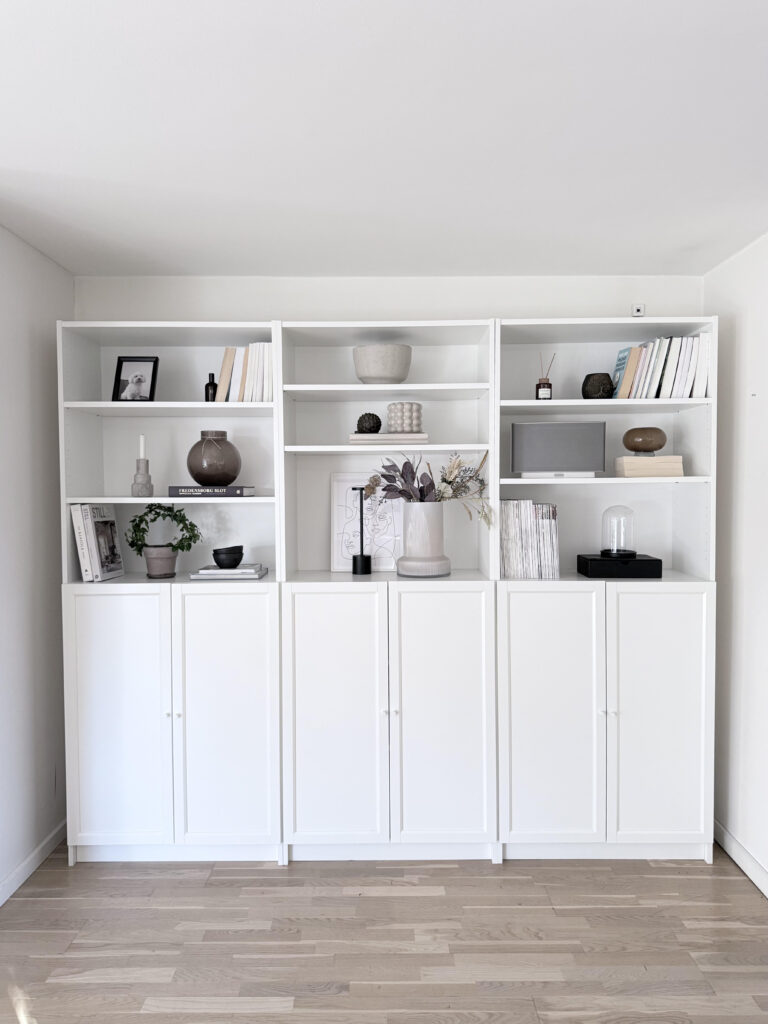
Walk into your living room right now and just look. Not to judge it — just to notice. Are there surfaces covered with things that somehow collected there over time? Little items you don’t even see anymore? That invisible clutter is working against you every single day, creating a low hum of visual noise that makes it impossible for a room to feel restful.
The Scandinavian fix is simple: give every surface one thing to breathe around. One candle. One small object you love. Space is not emptiness — in a Scandi home, space is the decoration.
If you are ready to take the first step, these are the pieces I would start with:
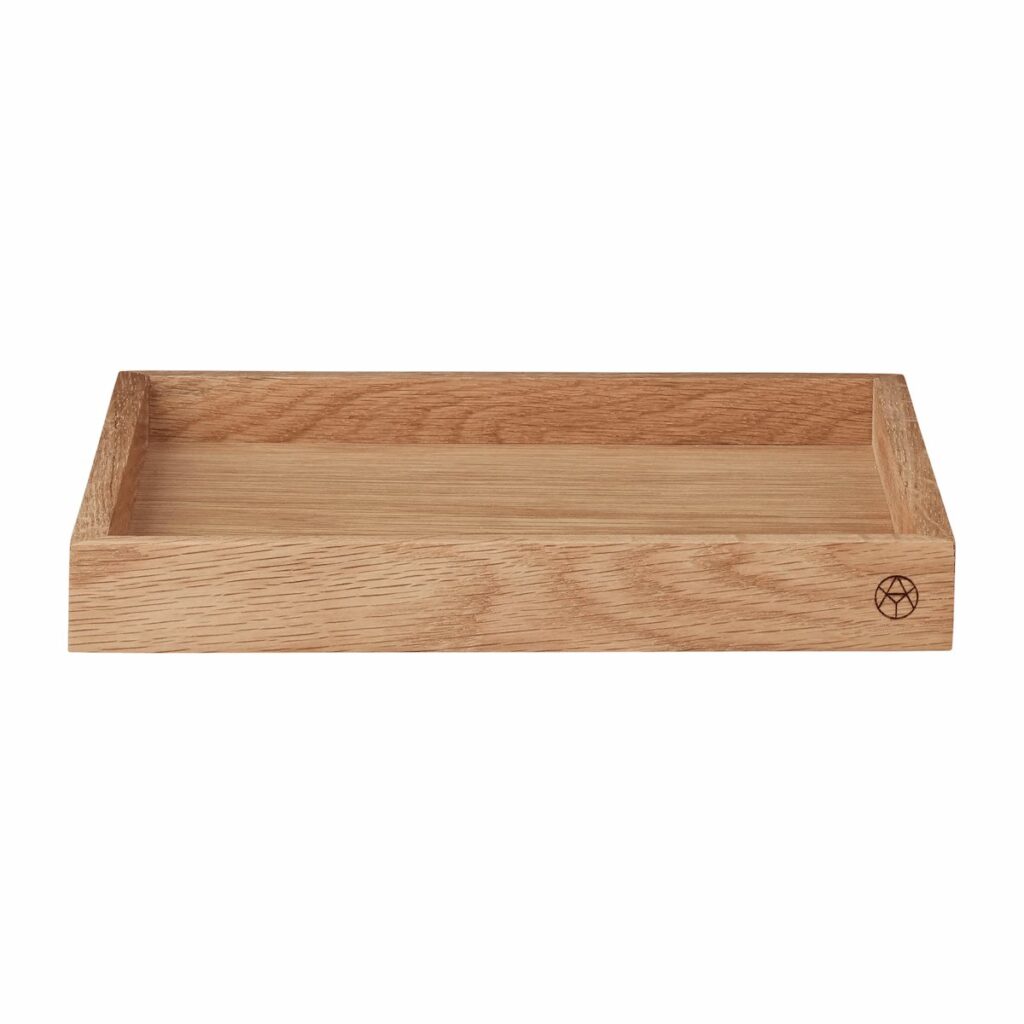
A simple tray to group objects on your coffee table → link

A slim shelf to create intentional display space → link
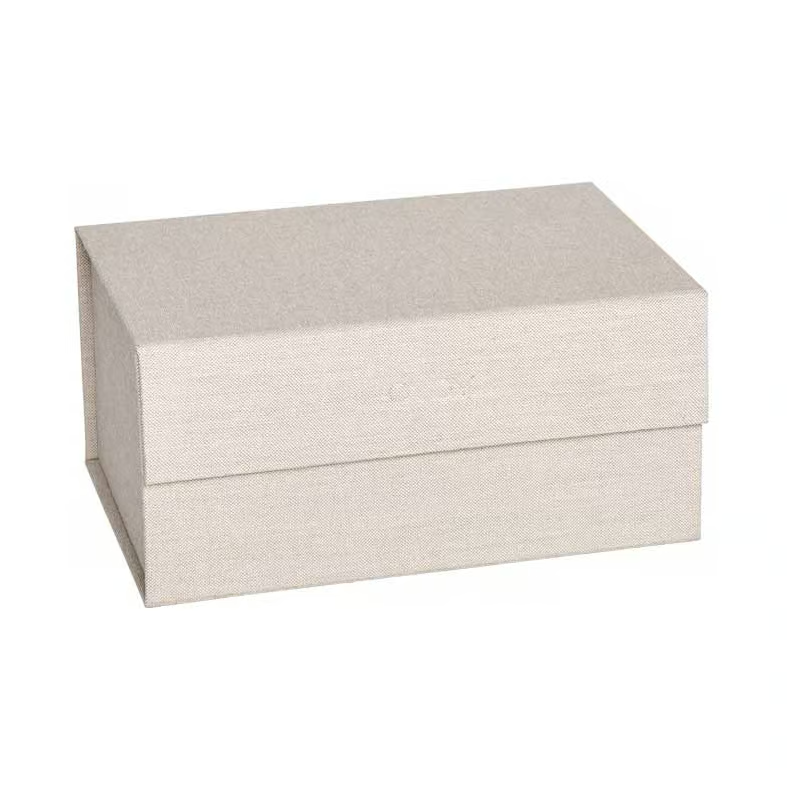
A beautiful box to hide the things you use daily → link
Fix 02
No connection to nature
The second thing that quietly kills the cozy feeling in a home is being too separated from the outside world.
This is something I noticed the moment I arrived in Denmark. The windows. Big, generous, almost unobstructed windows — with no heavy curtains blocking the light, no layers of fabric shutting the outside out. Every morning, the first thing I do is draw the curtains back and let everything in. The light, the sky, the movement of branches, the particular grey of a Danish winter morning. It instantly changes the mood of the entire home. That simple act — it takes five seconds — and the whole room wakes up.
This is the Scandinavian secret: nature is not something that stays outside. It is invited in, every single day.
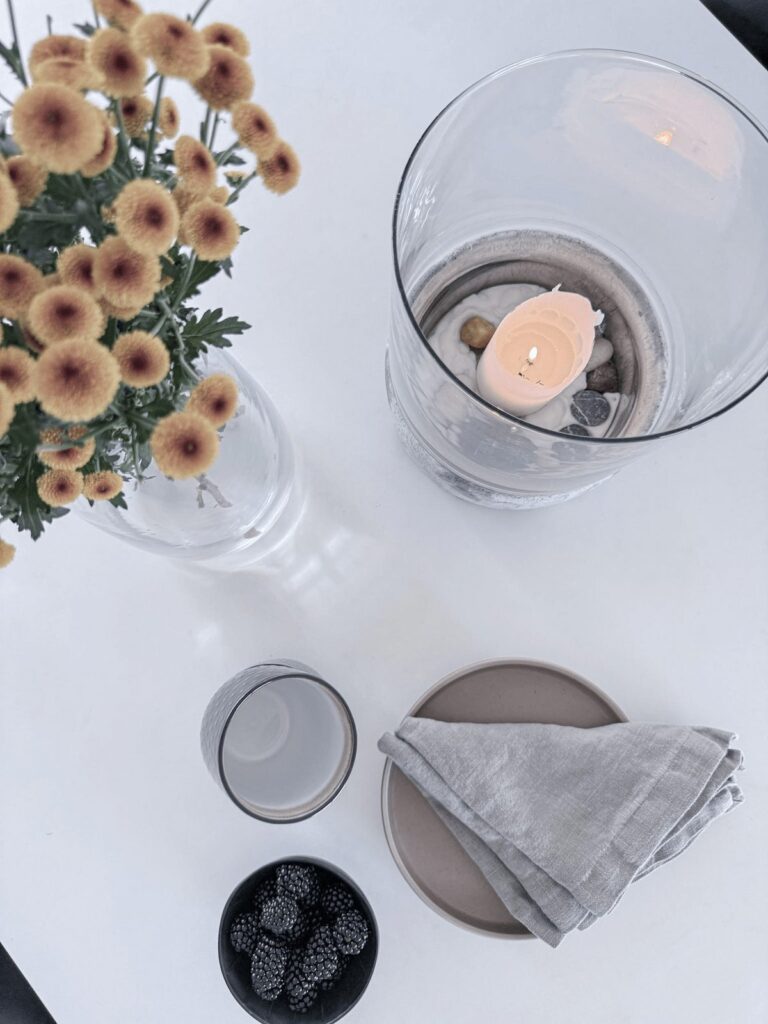
And it goes beyond windows. Look around a Scandi home and you’ll find nature on every surface — a branch of dried eucalyptus, a bowl of pinecones, a stone picked up on a walk, a small plant on the windowsill catching the light. These are not decorations in the usual sense. They are reminders that you are connected to something living, something seasonal, something real.
You don’t need a garden or a view. You just need to stop shutting nature out — and start inviting it in.
If you are ready to take the first step, these are the pieces I would start with:

A simple neutral vase — because sometimes all it takes to bring nature inside is a few branches or flowers and the right vessel to hold them → link

A linen curtain to frame your windows beautifully without blocking the light → link

A dried or artificial botanical arrangement for those days when nature needs a little help → link
Fix 03
Cold, hard surfaces everywhere
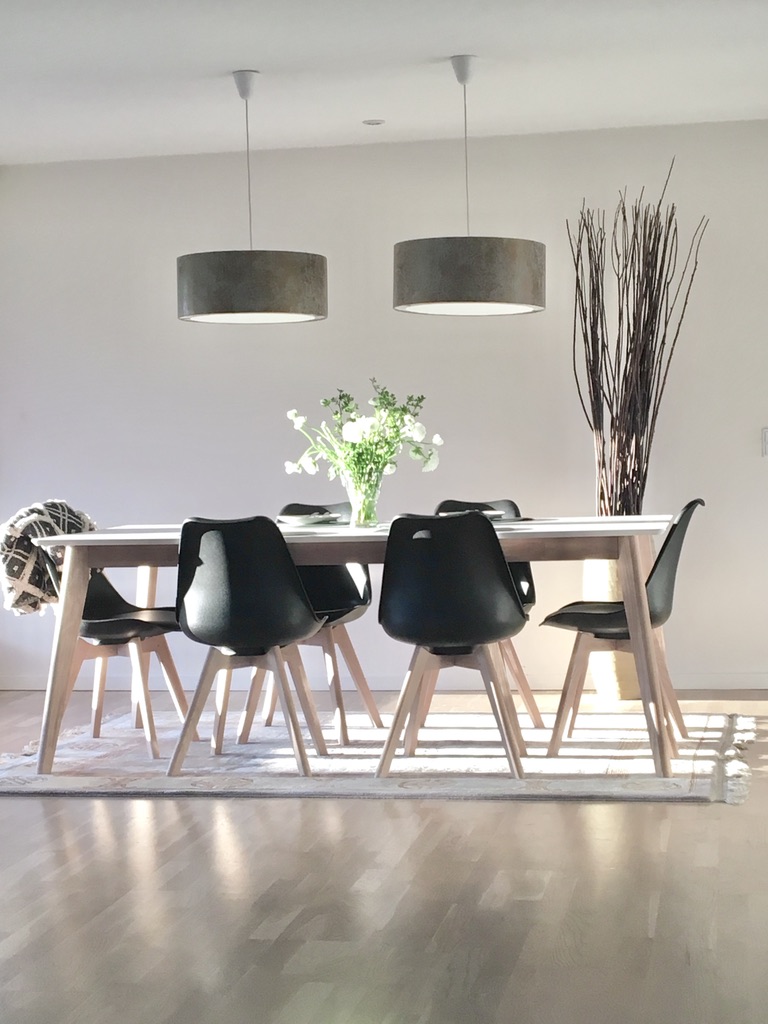
The third reason a home can feel beautiful but not quite warm is this: too many hard surfaces, and not enough softness to balance them.
When we renovated our 1970s home, I thought about this from the very beginning. I chose natural stone in light tones, a kitchen island in dark wood, and we kept the original handmade brick wall — dark, textured, full of character. Light wooden floors running through everything. The bones of the house were already telling a story of natural materials and honest texture.
But even with all of that — the stone, the wood, the brick — a room with only hard surfaces still doesn’t breathe. It looks interesting, but it doesn’t invite you to stay.
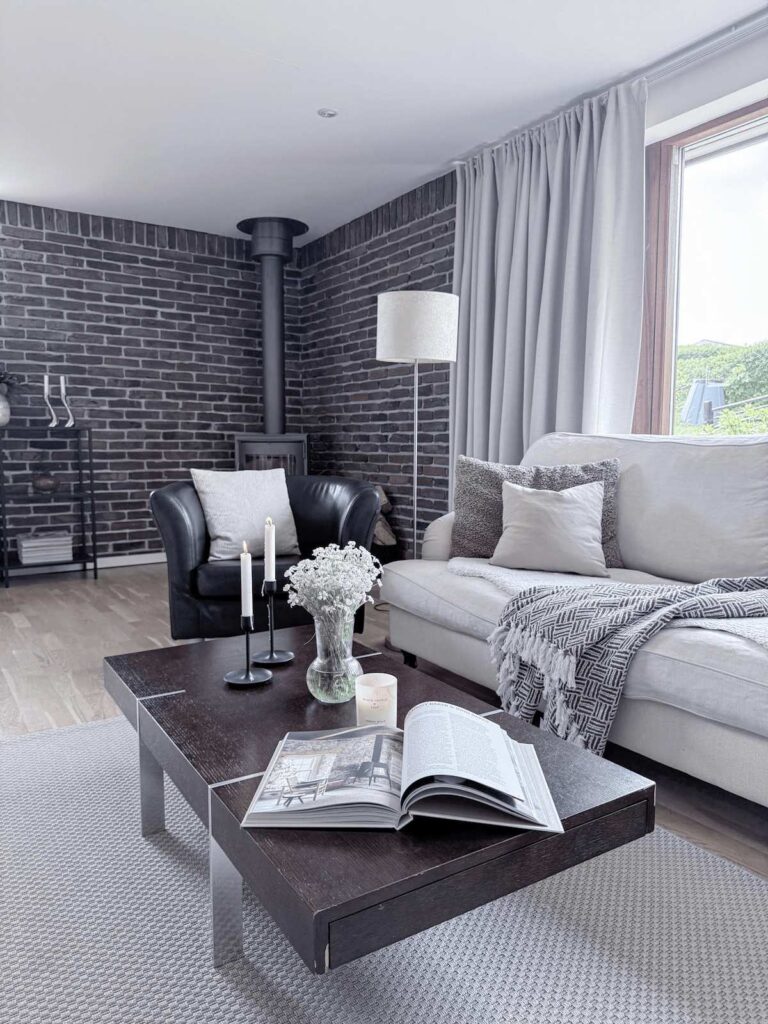
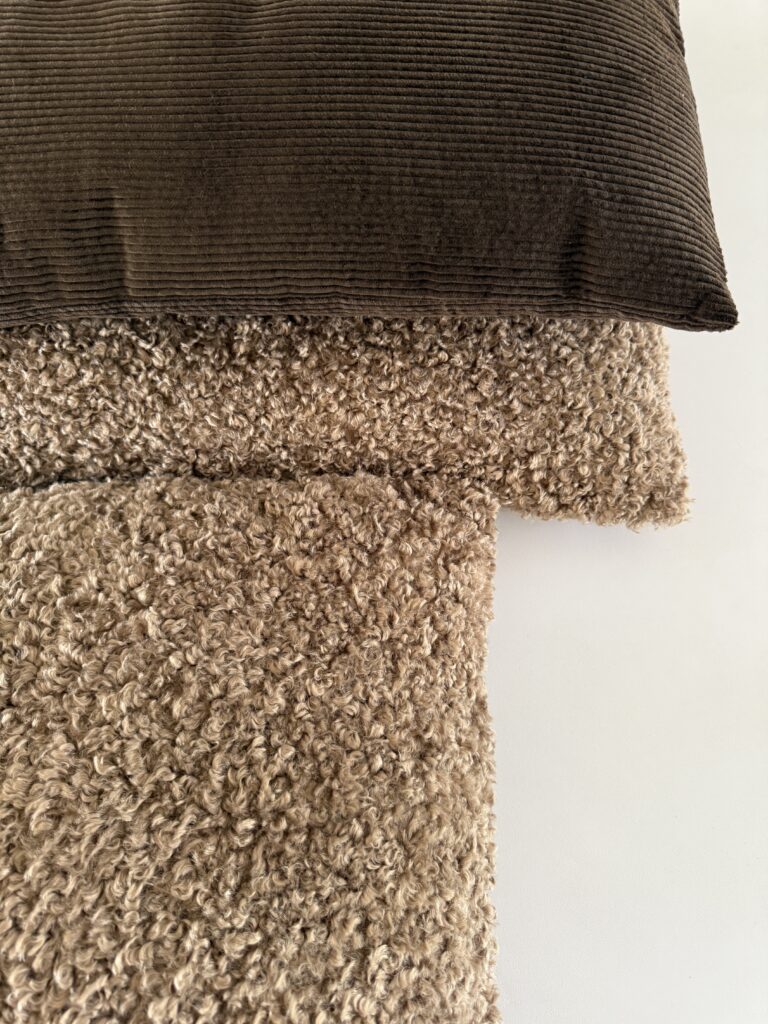
So I layered. A thick rug to anchor the living room. Cushions that you actually want to lean into. A plaid draped over the sofa for the moment the evening gets cool. These aren’t just decorative choices — they are the difference between a room you admire and a room you live in.
In Scandinavian homes, textiles are never an afterthought. They are the final layer that turns a space from designed to felt. Think wool, linen, cotton, sheepskin. Think layers rather than matching sets. Think: what would make me want to curl up here right now? That’s your guide.
If you are ready to take the first step, these are the pieces I would start with:
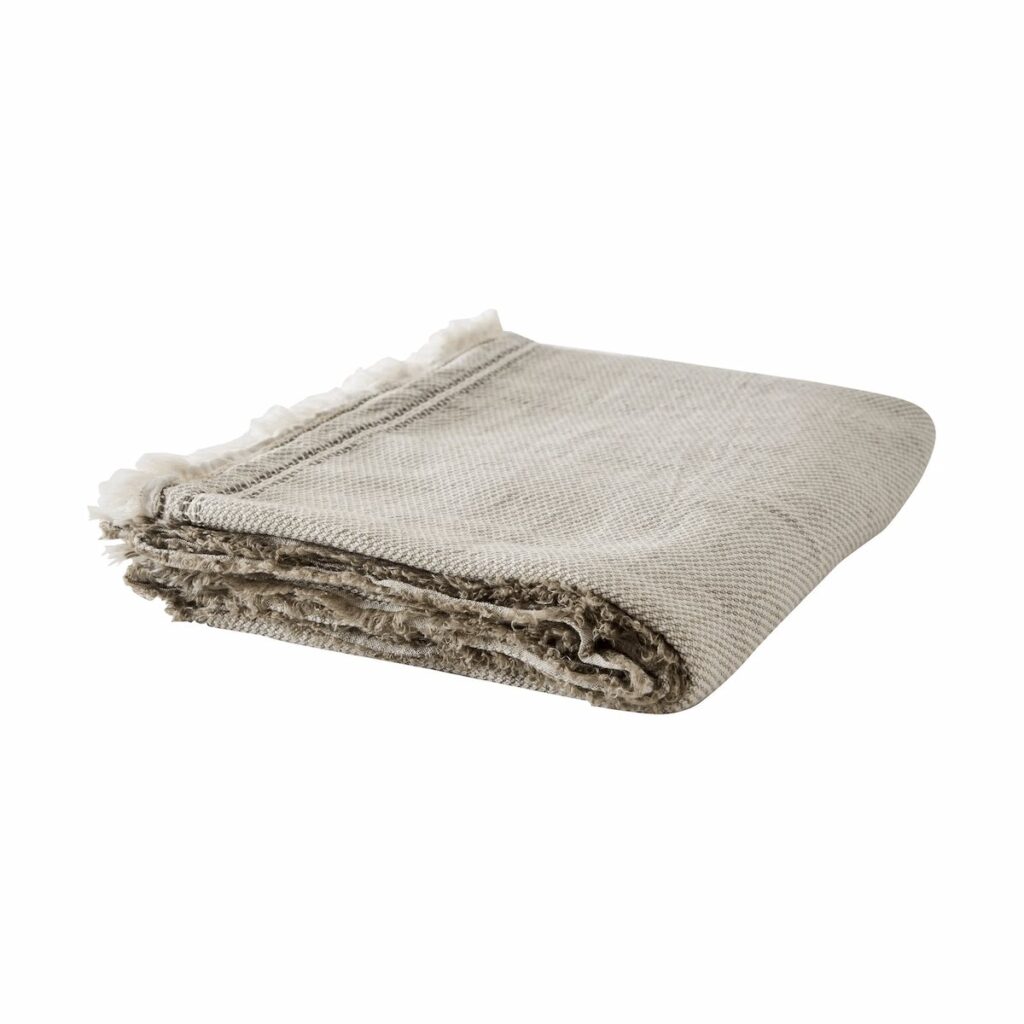
A throw to drape over the sofa for the moment the evening gets cool → link

A cushion in linen or cotton — because the sofa is where coziness begins → link
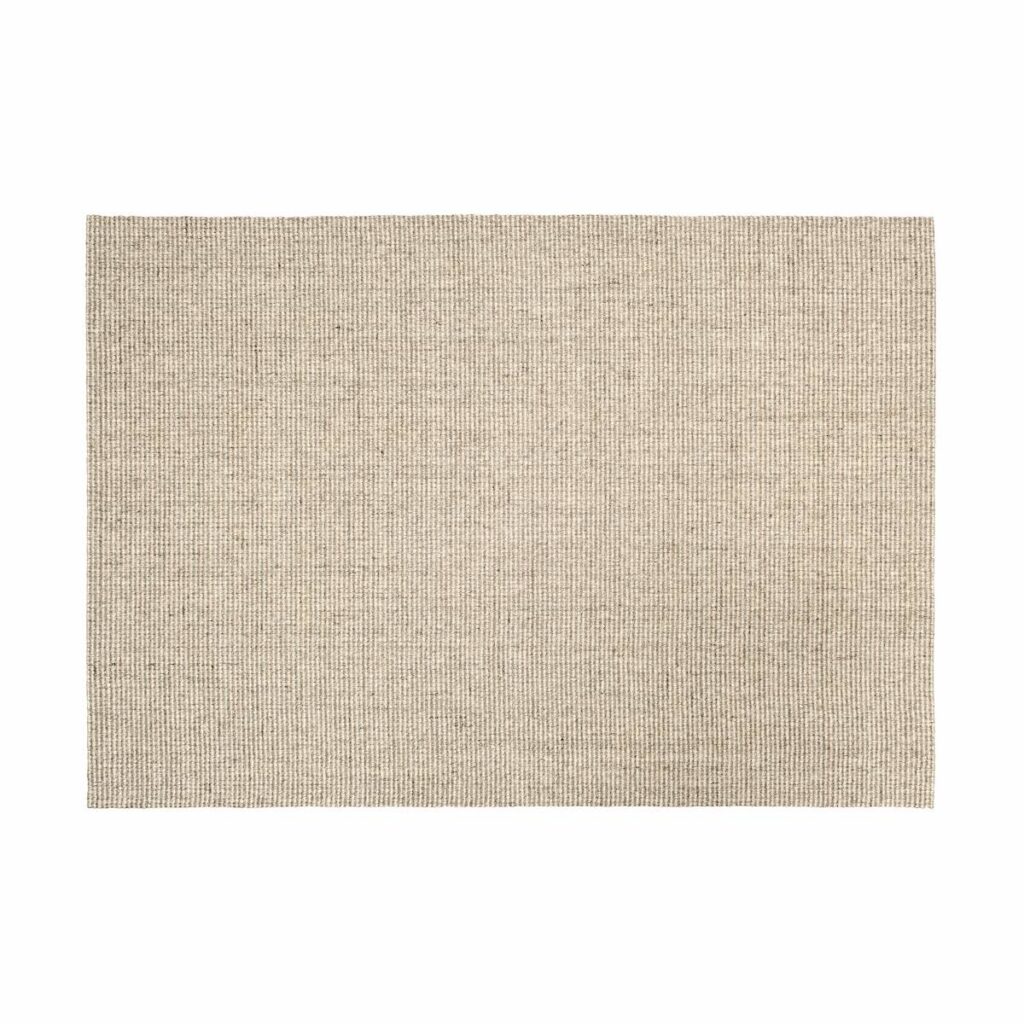
A natural wool or jute rug to anchor the room and add warmth underfoot → link
Coziness is not a style. It’s not a budget. And it’s definitely not something you find by buying more things.
It’s what happens when a home feels intentional — when nature is welcomed in, when surfaces have room to breathe, and when softness meets structure. The Scandinavians have understood this for generations, not because they have better taste, but because they have learned to pay attention to how a space feels, not just how it looks.
You don’t need to renovate. You don’t need to start over. You just need to notice what’s working against you — and make three quiet changes.
You may also like: 7 easy ways to refresh your home for spring ( Scandinavian style)
I hope this helps you find that exhale. 🤍
— Marjan, Scandilivingmood